

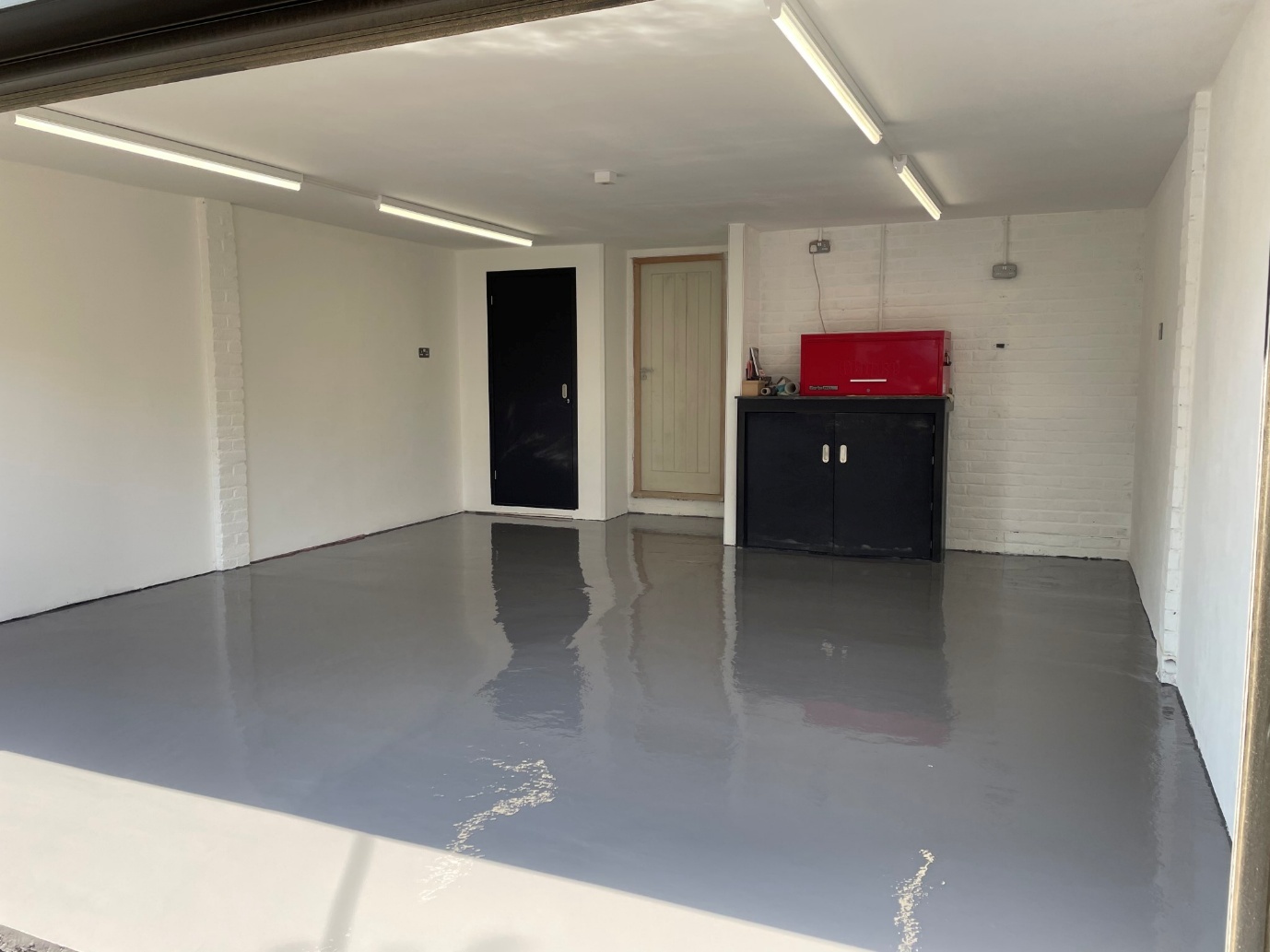
A garage becomes more useful once the floor is treated as part of the room rather than unfinished concrete. Homeowners considering an epoxy garage floor should first decide whether the space will mainly hold a car, support DIY projects, store household items, or double as a gym or utility area. The best finish depends on what happens there every week.
A floor chosen for one purpose may feel less suitable when the garage serves several roles. Foot traffic, tyres, tools, storage, moisture, cleaning and appearance should all be considered before the final system is selected.
Define the Main Use of the Garage
A parking-focused garage needs to cope with vehicle weight, tyre traffic, road grit and occasional fluid spills. A workshop adds rolling toolboxes, dropped tools and concentrated wear around benches.
For a multi-use room, comparing garage floor solutions by function can be more useful than choosing by colour alone. A home gym may prioritise easy cleaning, while a utility space may need practical traction where wet footwear or laundry tasks introduce moisture.
Decide How Much Visual Detail You Want
Resin floors can be finished in several ways. Solid colours create a clean appearance, while decorative flakes add variation and can make dust or minor marks less noticeable between cleans.
Metallic finishes create more movement and depth, which may suit a display garage or hobby space where the floor is intended to become a feature. They can be striking, but they should still be selected around the room’s workload.
Viewing samples in the garage is worthwhile. Daylight from an open door, LED lighting, cabinets and wall colours can all change how a finish appears.
Think About Moisture Before Appearance
Garages can receive water from wet vehicles, rain at the entrance, washing or moisture within the slab itself. These conditions should be understood before the coating specification is finalised.
Where slab moisture is a concern, appropriate assessment may be needed. A primer or moisture-control layer can be part of some systems, but it should not be used to disguise an active leak or drainage problem.
Water movement at the doorway also matters. A coating cannot correct poor falls or low spots simply by covering them.
Surface Preparation Still Sets the Standard
Preparation remains essential. Diamond grinding can remove weak material and old coatings while creating a surface profile for the resin system.
Cracks, pits and damaged sections can then be repaired before decorative layers are installed. Edges and corners need proper preparation too, because weak perimeter areas can affect an otherwise well-finished floor.
A clean, sound base allows the selected system to perform as intended instead of relying on the coating to hide concrete problems.
Match Texture to Cleaning Habits
A garage that frequently becomes wet may benefit from additional texture. However, an excessively rough finish can trap more dirt and take longer to mop or vacuum.
Homeowners should consider how often the floor will be cleaned and what type of debris usually enters the space. Road grit, sawdust, garden soil and gym chalk all create different maintenance demands.
The best surface is the one that balances traction with a cleaning routine the household can realistically maintain.
Plan Storage and Equipment Before Installation
Cabinets, shelving, freezers, workbenches and gym equipment can affect how the floor is installed and how much of it remains visible.
Clearing the garage before work begins gives installers access to the entire slab. It also provides a chance to reconsider layout and place permanent storage where it will not interfere with vehicle movement or walking routes.
Colour choices can then be coordinated with cabinets, walls and lighting so the finished room feels intentional.
Allow for Curing and Return to Use
A resin floor may look finished before it is ready for vehicles or heavy equipment. Cure times depend on the system and site conditions.
Temporary parking and storage should be arranged in advance. Homeowners should follow the installer’s guidance for foot traffic, cabinets and vehicle use rather than assuming all loads can return at the same time.
Giving the floor adequate cure time protects the work completed during preparation and application.
Conclusion
A garage floor should support the way the room is actually used, whether that means parking, projects, exercise, storage or a mixture of several activities. Appearance matters, but moisture, preparation, texture, cleaning and equipment layout are equally important.
By defining the garage’s purpose before choosing the finish, homeowners can create a surface that remains practical as the room evolves. A well-planned resin system can help turn a basic concrete garage into a cleaner, more organised and flexible part of the home.