
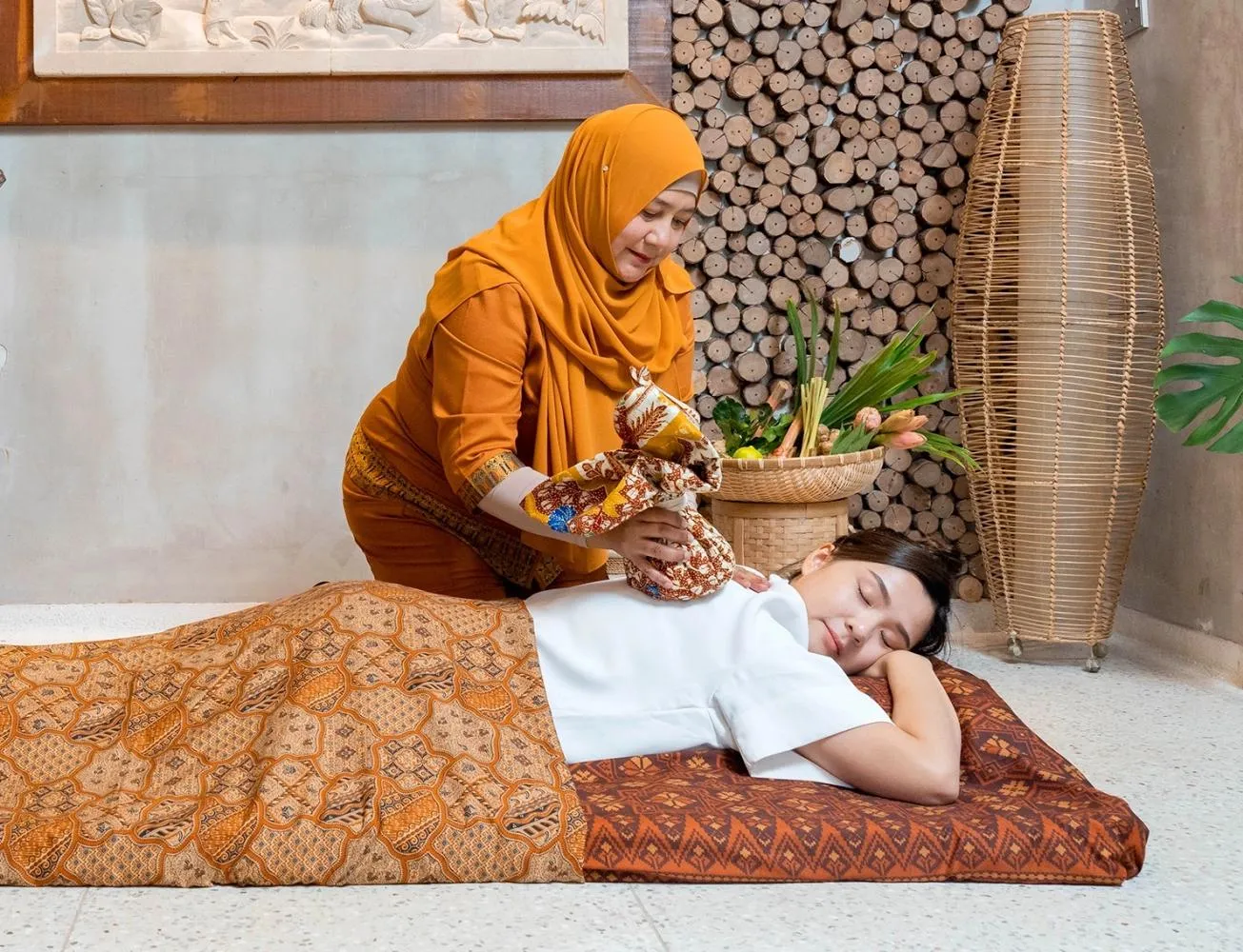
A massage experience is shaped not only by pressure but also by the rhythm, sequence, and cultural traditions behind each movement. Malaysia has its own bodywork heritage, where measured hand techniques and attentive touch form part of a familiar wellness practice. People exploring malay traditional massage may notice differences from oil-based relaxation or stretching-focused treatments. Understanding these distinctions helps guests appreciate the experience rather than expecting every session to follow the same routine. Traditional techniques offer an opportunity to discover a culturally rooted approach to personal relaxation.
The Heritage Behind Urut Melayu
Urut Melayu has long been associated with traditional Malaysian bodywork practices, passed through communities and adapted by different practitioners. Rather than following one universally identical sequence, sessions may reflect varying approaches to palm pressure, kneading, and rhythmic compression. These methods are valued as part of the country’s wellness heritage. Contemporary spa settings may incorporate traditional influences while maintaining professional comfort and hygiene standards. Appreciating this background helps guests understand the cultural character of the experience without assuming that traditional bodywork can diagnose or cure medical conditions.
How Rhythmic Pressure Shapes Experience
One distinctive feature of Malay-inspired bodywork is the deliberate rhythm of its manual techniques. A practitioner may begin with broad palm contact before introducing kneading, thumb work, or measured compression around selected areas. The sequence can vary according to the agreed treatment and individual comfort. Unlike techniques focused primarily on assisted stretching, this approach often places greater emphasis on controlled contact. Guests may find the predictable rhythm relaxing, although preferences differ. The experience should remain comfortable rather than becoming a test of how much pressure someone can tolerate.
Understanding Oil And Dry Techniques
Massage oil is not necessarily used throughout every traditional session. Some techniques involve compressions through a professional drape, while others incorporate modest amounts of oil to support smoother movements. The decision can depend on the treatment format, practitioner, and guest’s preferences. People with fragrance sensitivities may prefer an unscented product or an appropriate oil-free option when available. Clarifying these details helps guests understand what to expect. Traditional massage should not be confused with a single fixed method simply because different practitioners share a familiar service name.
Comparing Modern And Traditional Approaches
People exploring massage kl options may encounter Swedish, Thai, oil-based, and traditional Malay sessions within the wider wellness market. Each approach has its own character. Swedish-style massage commonly emphasises flowing strokes, while Thai traditions can incorporate assisted stretching and compression. Malay-inspired techniques may combine rhythmic pressure with kneading and selected movements. However, individual practitioners sometimes adapt their methods. Guests should focus on the actual session description rather than assuming that a treatment’s cultural name guarantees one particular pressure level or sequence.
Why Therapist Communication Still Matters
Traditional techniques do not eliminate the importance of personal preferences. Guests may enjoy particular movements while finding others uncomfortable, especially around sensitive areas. A professional therapist should ask about preferred pressure, relevant injuries, and areas to avoid before beginning. Communication remains useful throughout the session because comfort can change as different techniques are introduced. Guests should never feel embarrassed about requesting an adjustment. Respecting personal boundaries, using appropriate draping, and explaining unfamiliar movements help preserve the welcoming atmosphere of a traditional wellness experience.
Appreciating Cultural Wellness Without Exaggeration
Traditional bodywork is sometimes surrounded by claims about improving circulation, removing toxins, or correcting medical problems. However, cultural history and medical effectiveness are separate considerations. A relaxing session may help someone feel more comfortable, but it should not replace professional assessment for persistent pain or illness. Recognising these limits does not diminish the value of the experience. Guests can appreciate skilled manual techniques, a peaceful setting, and the opportunity to unwind without expecting medical treatment. Responsible wellness communication respects both traditional practices and individual health needs.
How Traditional Techniques Differ Between Practitioners
Traditional Malay massage is better understood through its movements than through promises about what it can cure. Guests may notice a gradual progression from broad palm contact to more focused kneading and rhythmic pressure. Practitioners can interpret these techniques differently, which gives each session its own character. A guest interested in the heritage can ask how particular movements fit within the practitioner’s approach. This curiosity turns the experience into an opportunity to appreciate local bodywork traditions without treating cultural practices as substitutes for medical care.
Conclusion
Traditional Malaysian bodywork offers a distinctive wellness experience through its cultural background, deliberate movements, and adaptable session styles. Its appeal lies in the combination of technique, personal comfort, and appreciation for established local practices. Readers interested in exploring these traditions can review treatment descriptions and location information through heavenlocalmassage.com. Rather than choosing a session based solely on popularity, consider whether rhythmic compression, oil preferences, and the overall treatment format suit your expectations. Selecting the right experience begins with understanding the tradition behind the service.