

A shared parking garage serves dozens of residents who may have different schedules, vehicles, and expectations. Unlike a private residential garage, it cannot be cleared whenever maintenance becomes necessary. Property managers must coordinate inspections, cleaning, repairs, and temporary access restrictions while keeping residents informed about changes affecting their parking spaces.
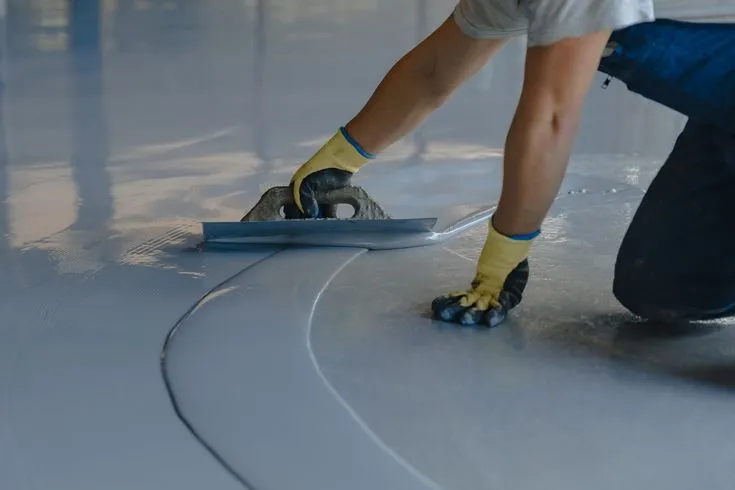
Condominium associations considering Garage Floor Coatings should evaluate how the existing surfaces perform under daily vehicle traffic. The condition of the concrete, drainage arrangements, and maintenance responsibilities all influence improvement decisions. A clear management plan helps prevent small flooring concerns from becoming disputes between residents and building operators.
Shared Garages Experience Uneven Traffic
Not every section of a parking garage receives the same amount of activity. Entrance ramps, turning points, and routes near elevators may experience more frequent vehicle movement than individual parking bays.
These differences can influence where surface wear becomes noticeable.
Property managers should identify high-traffic areas during routine inspections and record recurring problems. Photographs can help distinguish new deterioration from conditions documented previously.
However, visible wear does not establish the cause of a problem. Cracks, moisture, or significant surface damage may require professional assessment before corrective work is selected.
Parking Rules Influence Maintenance Access
A maintenance project becomes complicated when vehicles remain parked in areas requiring inspection or repairs. Residents may work different shifts, travel frequently, or have limited alternative parking options.
Associations should establish reasonable notification procedures before restricting access to assigned spaces.
Clear communication should explain the affected locations, expected schedule, and available alternatives.
Building managers must also consider accessibility requirements and emergency access. Temporary parking arrangements should not create unsafe conditions or interfere with essential building operations.
Drainage Problems Require Separate Attention
Shared garages can experience water entering from vehicles, exterior openings, or surrounding drainage systems. In some buildings, moisture may collect near ramps or lower parking levels. A surface coating cannot independently correct defective drainage or water intrusion.
Managers should investigate recurring puddles, blocked drainage features, and unexplained dampness before selecting decorative improvements.
Where water is entering through structural defects, appropriate building specialists may need to assess the cause.
Addressing drainage concerns before flooring installation helps avoid treating visible symptoms while leaving the underlying problem unresolved.
Contractors Need Accurate Building Information
A shared parking facility presents different logistical challenges from a single-family garage. Contractors may need to work around columns, ramps, drainage channels, and occupied parking areas. Property managers researching Epoxy Flooring Bay Area should provide information about traffic patterns, existing concrete conditions, and the building’s operating requirements.
Different coating systems have specific preparation, application, and return-to-service requirements. A professional assessment can help determine whether a proposed system is suitable for the intended environment.
The installation schedule should reflect these technical requirements rather than an arbitrary deadline established for convenience.
Resident Communication Prevents Confusion
Residents need clear instructions when maintenance affects their normal parking arrangements. Notices should explain what work is planned and how access will change.
A practical communication plan can include:
- Advance notice: Identify affected parking spaces and work dates.
- Alternative access: Explain approved temporary arrangements.
- Vehicle removal: Provide clear deadlines where necessary.
- Safety restrictions: Identify areas that must remain closed.
- Reopening information: Communicate confirmed return-to-service instructions.
These details can reduce misunderstandings while helping residents prepare for temporary disruption.
Maintenance Responsibilities Need Clear Ownership
In condominium properties, responsibility for shared garage surfaces may be governed by association documents, management agreements, and applicable laws. Individual residents should not automatically be expected to arrange repairs to common areas. Property managers can establish procedures for reporting damage, approving maintenance, and documenting completed work.
Records should identify the location, reported condition, contractor recommendations, and relevant repairs. Clear responsibilities help ensure concerns are reviewed consistently rather than handled differently depending on which resident reports them.
Plan for Long-Term Surface Care
After improvements are completed, routine maintenance remains necessary. Vehicle traffic, tracked-in debris, cleaning procedures, and environmental conditions can affect the garage over time. Managers should retain product specifications and follow manufacturer recommendations for cleaning and inspection.
Staff should also understand how to report visible deterioration or recurring moisture concerns. Periodic reviews can identify whether maintenance arrangements remain appropriate as building occupancy and traffic patterns change. A documented program provides continuity when property managers or association representatives change.
Conclusion
Shared parking garages require flooring decisions that account for residents, vehicle traffic, building conditions, and ongoing access. Maintenance work can affect many households, making communication and scheduling particularly important. Drainage concerns, existing concrete defects, and technical installation requirements should be assessed before permanent improvements begin. Property managers exploring services through rhynopoxy.com can use these considerations when planning appropriate projects. By establishing clear responsibilities, documenting surface conditions, and coordinating work with residents, condominium associations can maintain more organized parking facilities without overlooking the practical demands of shared property management.