
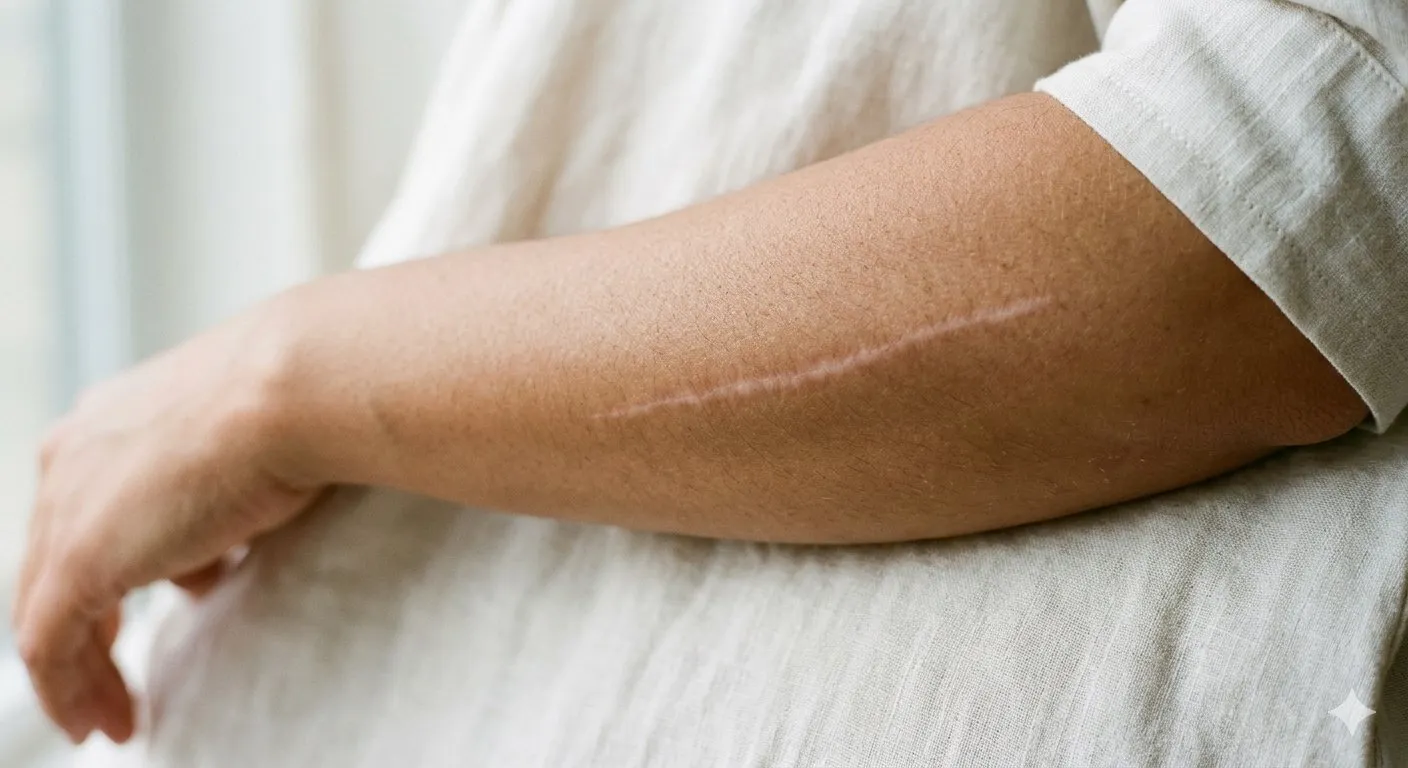
A scar can be comfortable, flat and fully healed yet remain noticeable because its colour differs from the skin around it. That contrast may become more obvious in bright daylight, photographs or clothing that exposes the area. People often assume that the only solution is to change the scar itself, although its texture may not be the main concern.
For selected healed scars, medical scar camouflage offers a different approach. Rather than trying to erase tissue, the procedure introduces carefully selected pigment to reduce visible colour differences. Understanding the limits of this technique is the first step towards deciding whether it is appropriate.
Why Colour Can Matter More Than Size
A small, pale scar on darker skin may attract more attention than a larger mark with a similar tone to its surroundings. Contrast influences how the eye notices a difference. Scar position, lighting and surrounding pigmentation all change the overall effect.
Camouflage works on that visual contrast. It cannot flatten a raised scar or restore normal skin structure, but a well-planned colour adjustment may make an otherwise settled mark less conspicuous. This distinction helps prevent unrealistic expectations before treatment.
The Importance of Waiting for Maturity
New scars often continue changing for months. They may look red, feel tender or become lighter as the healing process develops. Introducing pigment while that process is still active can lead to unpredictable colour and poor retention.
An assessment should consider whether the area is fully healed, stable and free from irritation. A history of troublesome scarring, including keloids, deserves particular attention. Some marks are better reviewed by a dermatologist before any cosmetic procedure is discussed.
How Specialists Approach Skin-Tone Matching
Human skin contains multiple undertones rather than one uniform shade. The same arm can appear different indoors, outdoors or after sun exposure. A practitioner therefore needs to consider the surrounding area, not simply select a colour from a standard chart.
Pigment may also heal differently from its appearance immediately after placement. A staged approach allows the treated area to settle before further adjustments are considered. Choosing a lighter, more conservative initial shade can be preferable to attempting an aggressive match in one appointment.
Questions That Reveal a Careful Consultation
A useful consultation should explore the scar’s age, origin, texture and previous treatments. The practitioner should explain why the mark is suitable, what camouflage can achieve and what changes remain outside the technique’s scope.
Anyone researching safe scar camouflage in Dubai should ask about hygiene procedures, practitioner training, pigment suitability and healed examples on comparable skin tones. The answer should include possible colour changes, aftercare requirements and circumstances in which treatment should be postponed.
What Happens After Pigment Is Placed
Immediately afterwards, the area may appear darker or warmer than expected. Mild redness and tenderness are also possible. The final appearance cannot be judged reliably from photographs taken on treatment day because healing affects both colour and clarity.
Following the practitioner’s written aftercare instructions matters. Picking at the area, exposing it to excessive friction or ignoring sun-protection advice can interfere with recovery. Any increasing pain, unusual discharge or spreading redness warrants prompt professional assessment.
Keep a simple record of the initial appearance and the healed result, using similar lighting each time. This can make a follow-up discussion more specific: perhaps the shade has settled well, but one edge still catches the light. It also stops a normal short-term change from being mistaken for a failed treatment. Good documentation is useful for both practitioner and client.
Thinking About Long-Term Appearance
Pigment can soften or shift over time, while the surrounding skin may tan or change naturally. The degree of fading depends on the technique, placement, skin characteristics and lifestyle. For that reason, a treatment described as long-lasting should not be understood as permanently maintenance-free.
It also helps to judge success realistically. The aim is usually a less noticeable colour boundary, not perfect invisibility in every light or at every distance. People with this expectation are better placed to evaluate their results fairly.
Conclusion
A healed scar does not always need an invasive solution, particularly when colour contrast is the main issue. Careful assessment, conservative pigment selection and realistic expectations matter more than bold promises. Resources from skincamouflage.ae can help readers explore cosmetic blending options, but individual suitability should always be established through a qualified consultation. The best decision respects both the appearance of the scar and the health of the skin beneath it.